As temperatures begin to drop in Prescott, Prescott Valley, and the surrounding communities, homeowners are getting ready to switch from air conditioning to heating. While Northern Arizona enjoys relatively mild weather for much of the year, those chilly fall mornings and freezing winter nights make a reliable heating system essential.
Before you turn on your furnace or heat pump for the first time this season, there are a few simple steps you can take to ensure it's working safely and efficiently. A little preparation now can help prevent unexpected breakdowns, improve comfort, and potentially save money on your winter energy bills.
Here are seven things
AC Medic recommends checking before you fire up your heating system this fall.
1. Replace or Clean Your Air Filter
One of the easiest and most important things you can do is check your HVAC air filter.
Over the summer, your heating and cooling system may have collected dust, pet hair, pollen, and other airborne particles. A dirty filter restricts airflow, forcing your system to work harder to maintain the desired temperature.
Before switching to heat, inspect your filter and replace it if it's dirty. Some reusable filters can be cleaned according to the manufacturer's instructions.
Pro Tip: Check your filter monthly and replace it as needed. Many standard filters need replacement every one to three months, depending on the system, household conditions, and filter type.
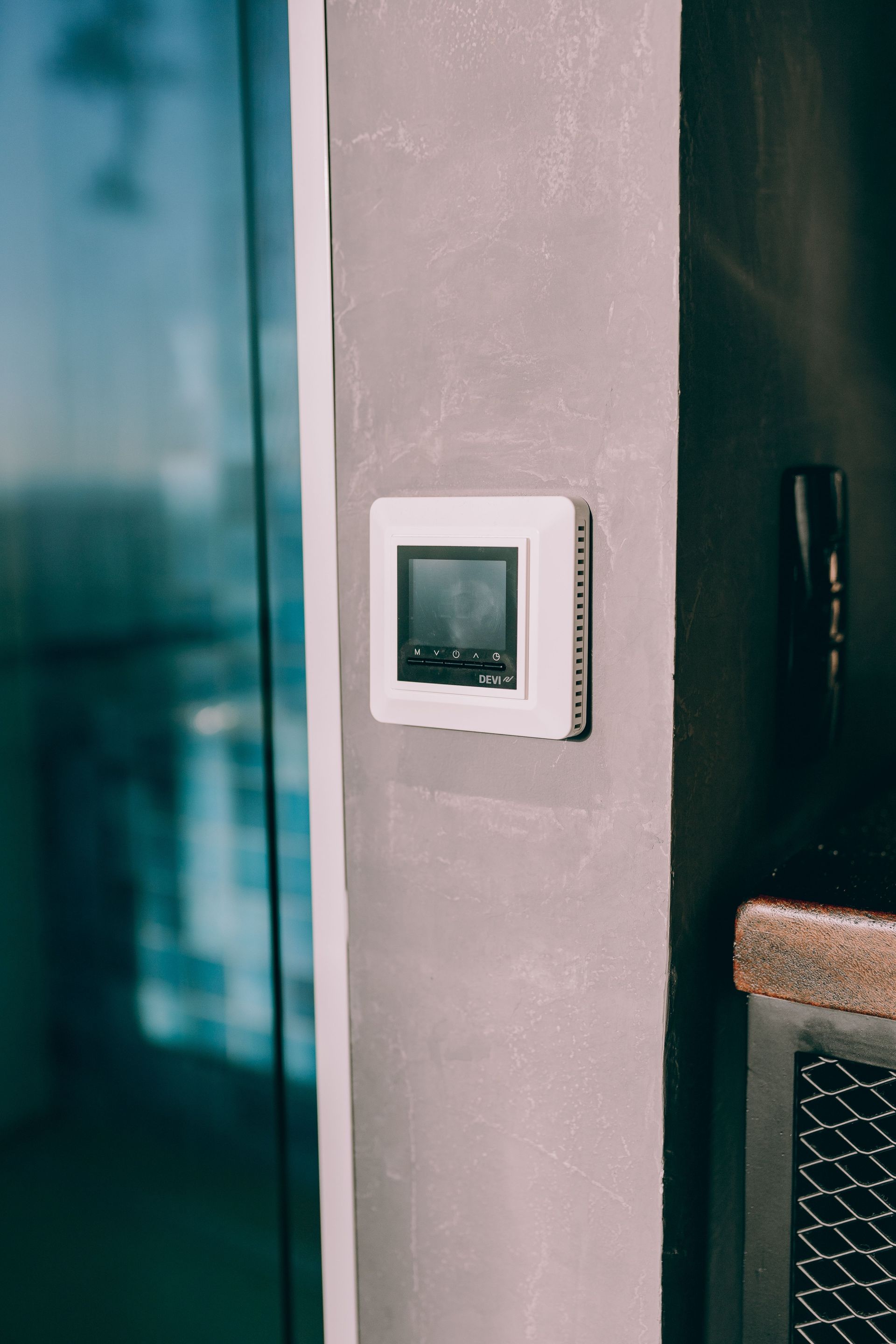
2. Check Your Thermostat Settings
It sounds simple, but your thermostat deserves a little attention before heating season begins.
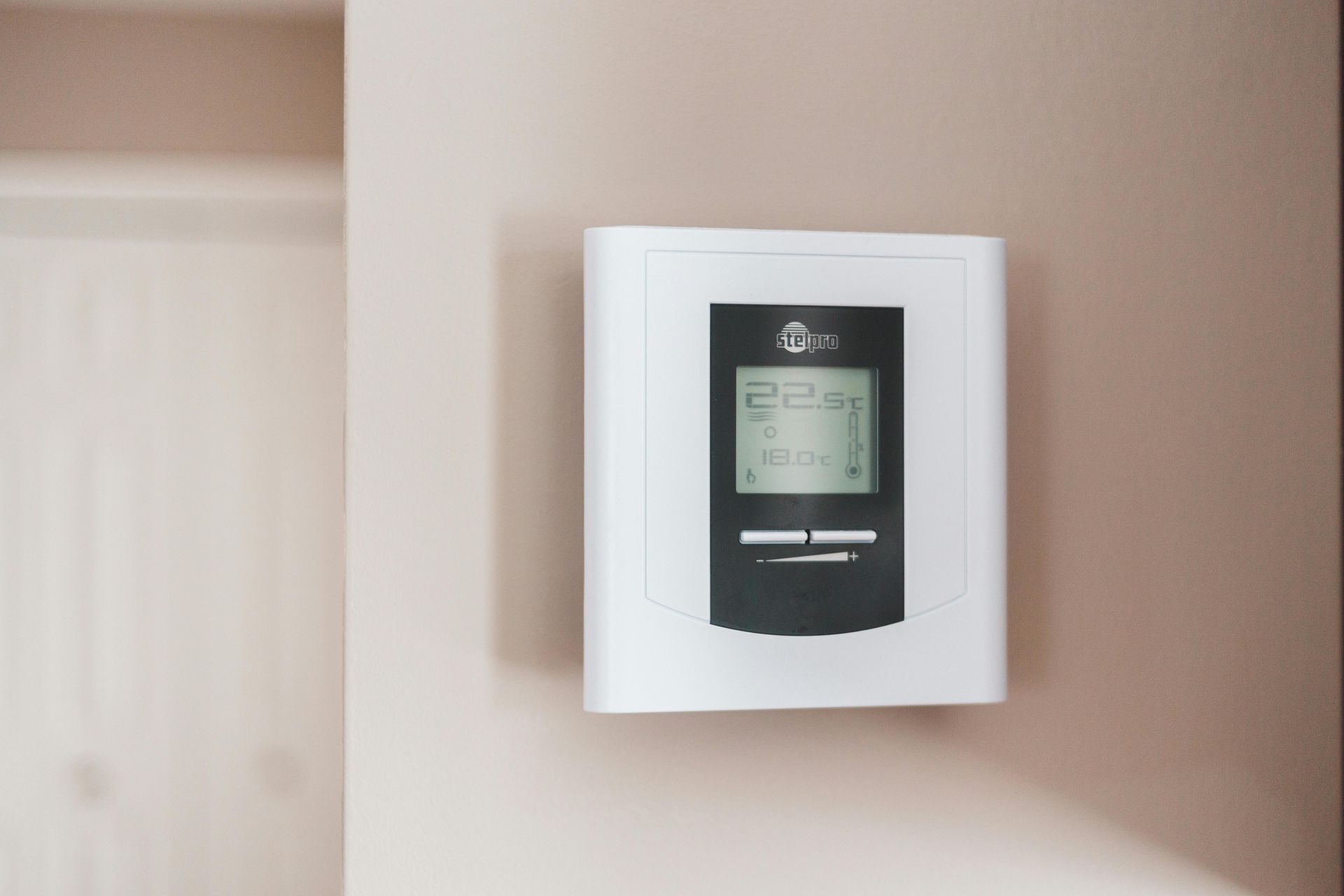
Switch your thermostat from cooling to heating mode and set the temperature a few degrees above the current indoor temperature. You should hear your heating system start shortly afterward.
Make sure warm air is coming from your vents and that your thermostat is accurately displaying the room temperature.
If you have a programmable or smart thermostat, fall is also a great time to update your heating schedule. Lowering the temperature while you're sleeping or away from home can help reduce energy consumption.
For heat pumps, avoid large temperature setbacks that unnecessarily activate auxiliary electric heat.
3. Inspect Your Vents and Air Returns
During the warmer months, furniture, rugs, and other household items sometimes get moved around, accidentally blocking heating vents or return air grilles.
Walk through your home and make sure your supply vents and return air grilles are clear of obstructions.
Blocked airflow can create uneven temperatures, reduce efficiency, and put additional strain on your HVAC equipment.
You may also notice dust buildup around your vents. Wiping down accessible registers can help keep accumulated dust from circulating through your home when the heat starts running.
4. Test Your Heating System Before You Actually Need It
One of the biggest mistakes homeowners make is waiting until the first freezing night to find out their heating system isn't working.
In Prescott, temperatures can drop quickly during the fall, especially overnight. Testing your system on a relatively mild afternoon gives you time to identify problems before your home becomes uncomfortably cold.
Turn on your heat and let it run long enough to confirm that it's producing warm air and operating normally.
Pay attention to unusual noises, inconsistent airflow, or a system that repeatedly turns on and off.
If something doesn't seem right, schedule an HVAC inspection rather than waiting for the problem to get worse.
5. Know Which Smells Are Normal and Which Aren't
When you turn on your furnace for the first time after several months, you might notice a slightly dusty or burning smell.
This can happen when accumulated dust on heating components burns off during initial operation. A mild dusty odor that disappears quickly isn't necessarily a cause for concern.
However,
strong or persistent burning smells, smoke, or unusual chemical odors should never be ignored. Turn the system off and contact a qualified HVAC technician.
If you smell natural gas or suspect a gas leak, leave the building immediately and contact your gas utility or emergency services from a safe location. Don't operate electrical switches or attempt to investigate the leak yourself.
6. Test Your Carbon Monoxide Detectors
If your home uses a gas furnace or another fuel-burning heating appliance, functioning carbon monoxide detectors are especially important.
Carbon monoxide is an odorless, colorless gas that can be produced when fuel-burning equipment malfunctions or doesn't vent properly.
Before heating season begins, test your carbon monoxide detectors, check their expiration dates, and replace batteries or units as needed.
Carbon monoxide alarms should be installed on every level of your home and outside sleeping areas, following manufacturer instructions and applicable safety requirements.
Even if your detectors are working properly, they aren't a substitute for professional furnace maintenance.
7. Schedule a Professional Heating System Tune-Up
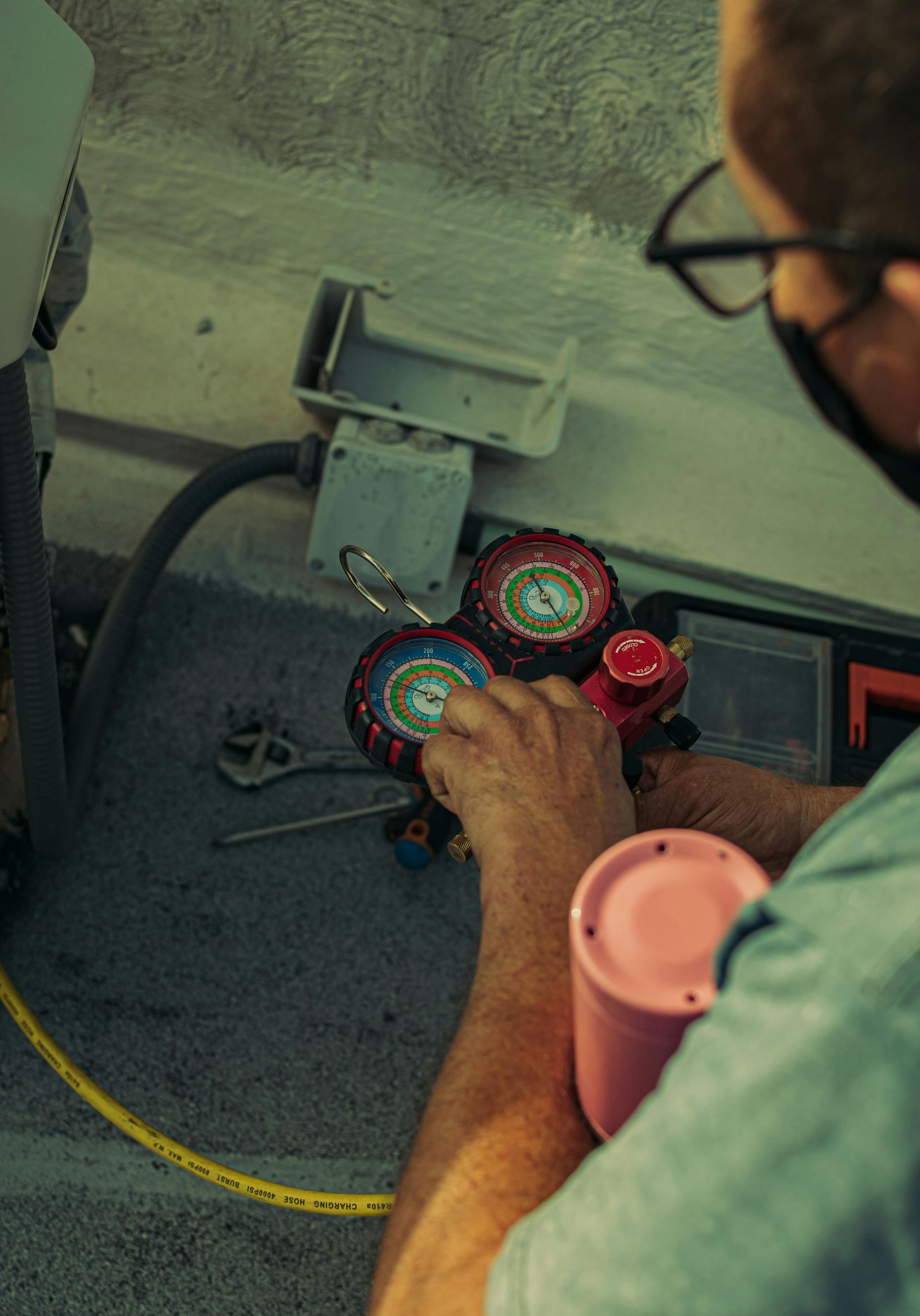
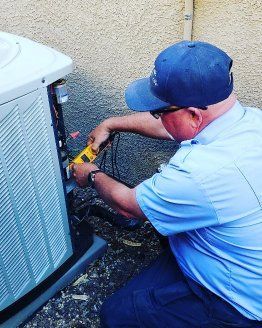
While homeowners can handle basic tasks like replacing air filters and checking thermostats, some maintenance should be left to professionals.
A seasonal
heating inspection can help identify worn components, electrical issues, airflow restrictions, and other potential problems before they lead to expensive repairs.
For gas furnaces, a technician can also inspect important safety components, including the heat exchanger, burner operation, and venting system.
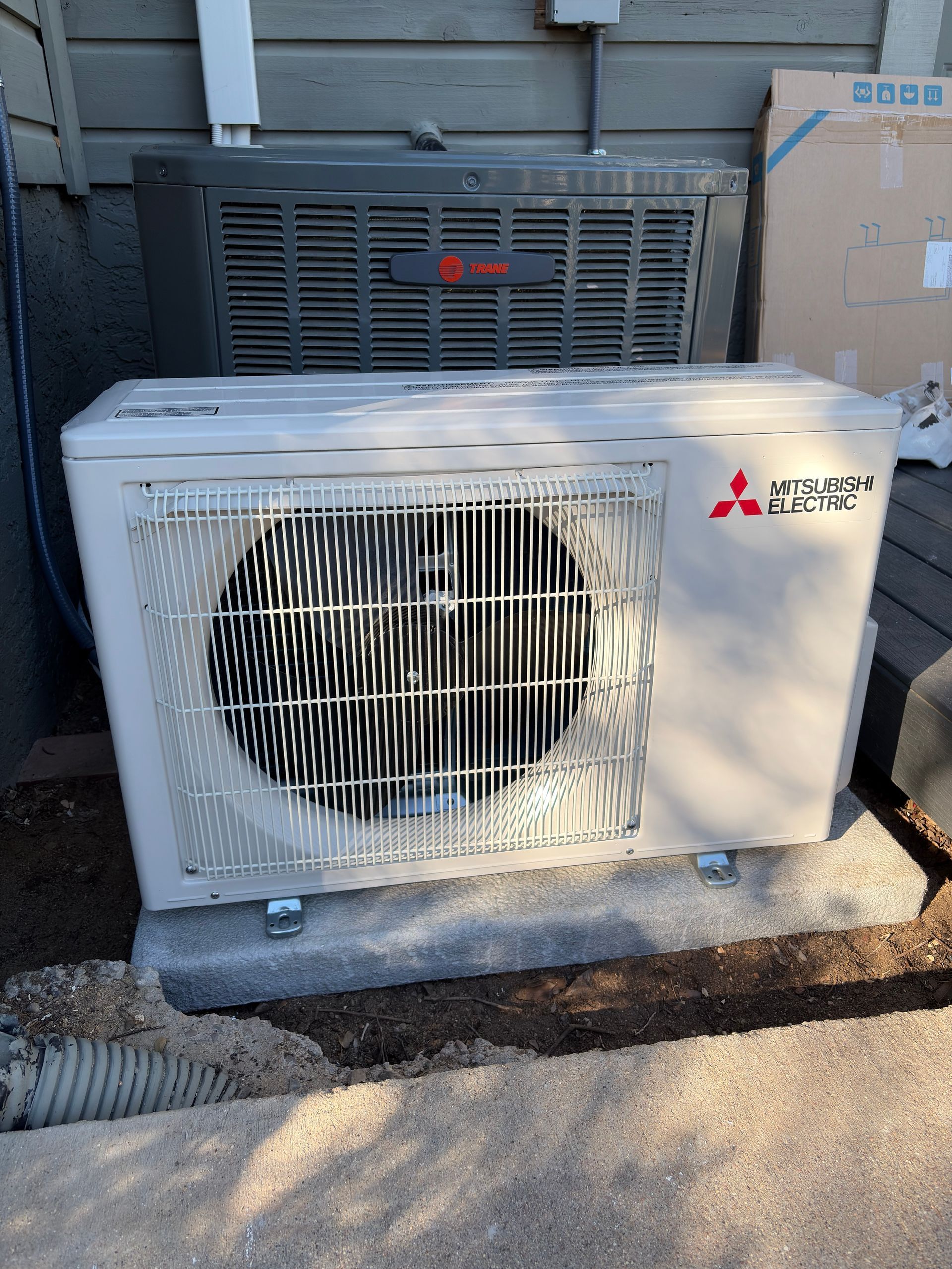
If your home uses a heat pump, a technician can check the system's heating performance, electrical connections, refrigerant operation, and defrost function.
Regular maintenance can help extend your system's lifespan, maintain efficiency, and reduce the likelihood of unexpected breakdowns.
Stay Warm This Winter With AC Medic
Whether you live in Prescott, Prescott Valley, Chino Valley, or the surrounding Northern Arizona communities, preparing your heating system before winter is one of the easiest ways to protect your comfort and avoid unnecessary headaches.
At
AC Medic, we help local homeowners keep their heating and cooling systems running reliably throughout the year. From seasonal maintenance and troubleshooting to heating repairs and replacements, our team is here to help you stay comfortable when temperatures drop.
Don't wait until the first freezing night to discover a problem with your heating system.
Contact AC Medic today to schedule a heating inspection and get your home ready for winter.