How Long Does a Household Heater Last?
If you’re a homeowner, your heating system is one of those things you don’t think about much… until it stops working. Whether you have a furnace, heat pump, or another type of household heater, the big question is always the same:
How long is it supposed to last before you need to replace it?
The truth is, there’s no one-size-fits-all answer — because heater lifespan depends heavily on the type of system you have, how often you use it, and (most importantly) how well it’s maintained.
In this guide, we’ll break down the most common types of household heating systems, their expected lifespans, and how regular maintenance can help you get the most years out of your heater.
The Average Lifespan of a Household Heater
Most household heating systems last somewhere between
10 and 20 years.
But that range exists for a reason:
- A system that’s
properly installed
- Gets
annual maintenance
- Has clean airflow and correct sizing
- Isn’t constantly overworked
…can easily last longer than average.
On the other hand, a heater that’s neglected, running with clogged filters, or poorly sized for the home may start having major issues much earlier.
Heater Lifespan by Type (What You Can Expect)
Let’s look at the most common heater types and what homeowners can realistically expect.
1. Gas Furnaces (Average Lifespan: 15–20 Years)
Gas furnaces are one of the most common heating systems in homes. They heat air using a burner and then distribute warm air through ductwork.
Typical lifespan:
✅
15–20 years
Some well-maintained units can reach
25 years, but efficiency often drops long before that.
Common reasons gas furnaces fail:
- Heat exchanger cracking
- Ignition system failure
- Blower motor wear
- Dirty burners and airflow restrictions
2. Electric Furnaces (Average Lifespan: 20–30 Years)
Electric furnaces don’t burn fuel, so they have fewer mechanical and combustion-related components.
Typical lifespan:
✅
20–30 years
That said, electric furnaces can still wear down from:
- Overworked blower motors
- Electrical issues
- Heating element burnout
While they often last longer, they’re also typically more expensive to operate than gas systems depending on local energy costs.
3. Heat Pumps (Average Lifespan: 10–15 Years)
Heat pumps are extremely popular in warm climates because they provide both heating and cooling in one system.
But here’s the tradeoff:
Because a heat pump runs year-round, it often wears out faster than a furnace.
Typical lifespan:
✅
10–15 years
Heat pumps can last longer with maintenance, but they tend to experience more wear because they’re doing double duty.
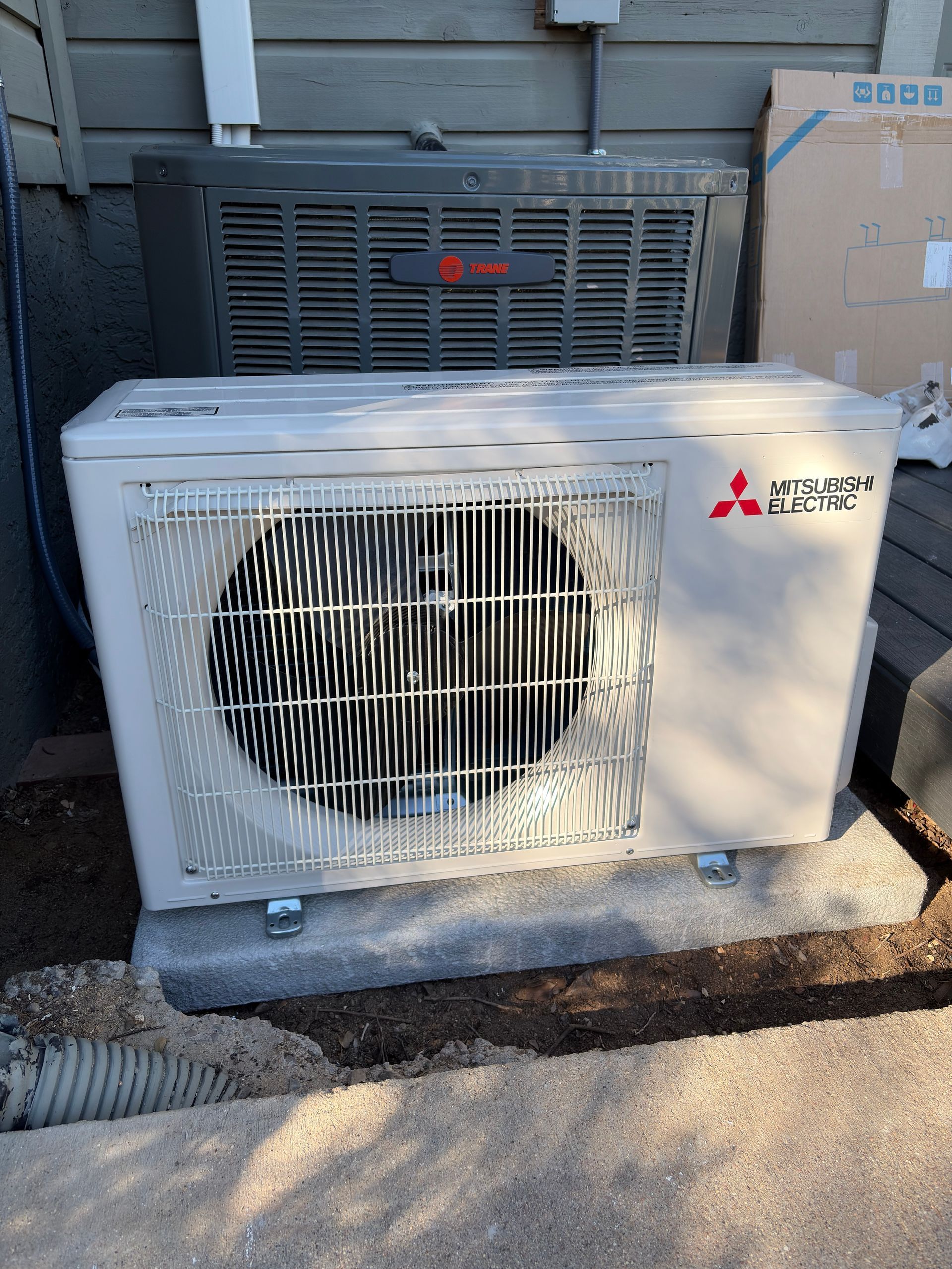
4. Ductless Mini-Split Heat Pumps (Average Lifespan: 12–20 Years)
Ductless systems are basically heat pumps that deliver heating and cooling without ductwork.
Typical lifespan:
✅
12–20 years
They can last longer than central heat pumps in many cases because:
- They’re highly efficient
- They don’t rely on ductwork airflow
- They allow zoned heating (less overall strain)
5. Boilers (Average Lifespan: 20–30 Years)
Boilers heat water (or steam) and distribute heat through radiators or in-floor heating.
Typical lifespan:
✅
20–30 years
Boilers are known for longevity — but they absolutely require regular service to stay safe and efficient.
Common boiler issues include:
- Circulator pump failure
- Leaks and corrosion
- Mineral buildup
- Pressure-related component wear
6. Wall Heaters / Baseboard Heaters (Average Lifespan: 15–25 Years)
These are often used in older homes or additions.
Typical lifespan:
✅
15–25 years
They’re generally simple systems, but their lifespan depends on:
- Electrical connections staying safe
- Keeping dust buildup under control
- Preventing overheating
What Causes Heaters to Wear Out Faster?
Even the best system won’t last as long if it’s working under poor conditions.
Here are the most common heater life-shorteners:
Dirty air filters
A clogged filter restricts airflow, forcing your system to run hotter, longer, and harder.
Skipping maintenance
Small issues become expensive problems when they’re ignored year after year.
Oversized or undersized systems
A heater that’s too big short cycles. A heater that’s too small runs constantly. Both reduce lifespan.
Duct problems
Leaky ducts or restricted airflow cause uneven heating and extra strain on the blower.
Overuse
If your heater is running nonstop during cold months, it may indicate insulation issues, duct leaks, or equipment problems.
How Regular Maintenance Prolongs Heater Life
This is the part most homeowners don’t realize:
Maintenance doesn’t just prevent breakdowns — it directly impacts how long your heater lasts.
A properly maintained heating system:
- Runs more efficiently
- Has less wear and tear on key components
- Maintains safer operation
- Avoids catastrophic failures that lead to early replacement
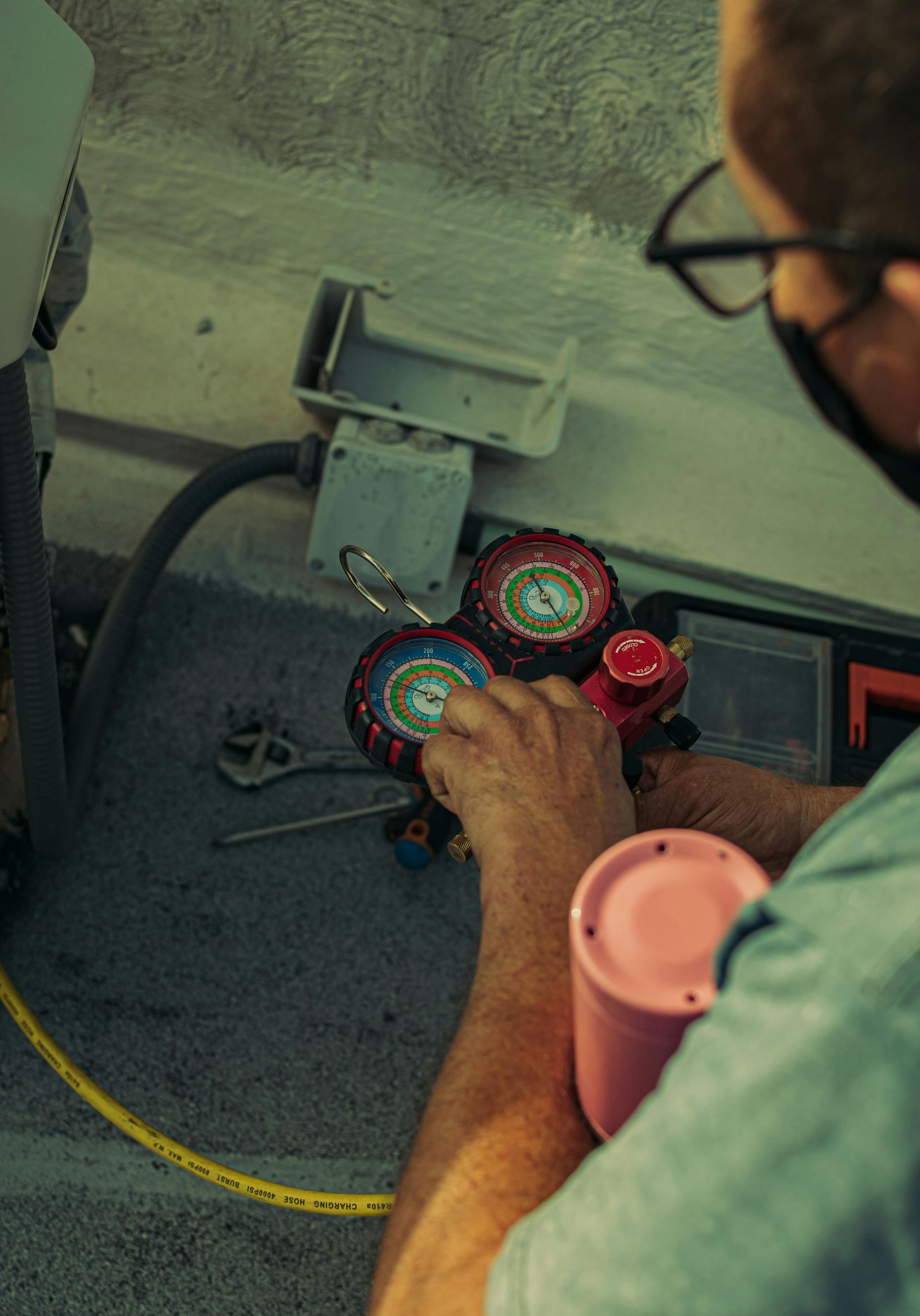
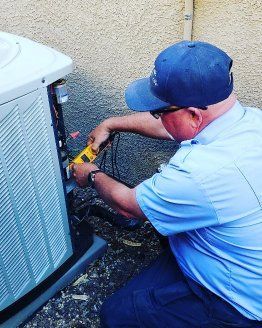
Here’s what professional
heater maintenance typically includes:
1. Cleaning critical components
Dust, soot, and buildup reduce efficiency and cause overheating.
2. Checking electrical connections
Loose connections can cause intermittent failures, damage boards, or even create safety risks.
3. Testing safety controls
Especially important for gas furnaces and boilers.
4. Inspecting airflow
Airflow issues are one of the biggest reasons blowers and motors fail early.
5. Catching small problems early
A failing capacitor or worn part is cheap to fix now — and expensive later when it takes other components with it.
Signs Your Heater Might Be Near the End of Its Life
Even if your heater is still running, these are warning signs that it may be reaching the end:
- Frequent repairs
- Uneven heating in the home
- Strange noises (rattling, booming, grinding)
- Rising utility bills
- Short cycling (turning on/off repeatedly)
- A heater that’s
15+ years old and becoming unreliable
The Bottom Line: How Long Will Your Heater Last?
Most household heaters last 10–20 years, but many can last significantly longer with proper care.
If you want the best return on your heating system investment, the simplest move is also the most overlooked:
✅
Schedule regular maintenance.
It keeps your heater efficient, safe, and running longer — and it helps you avoid surprise breakdowns at the worst possible time.
Need Help Extending the Life of Your Heater?
At
AC Medic, we help homeowners get the most out of their heating systems through professional inspections, tune-ups, and honest repair recommendations.
Whether your heater is brand new or pushing 20 years old, regular maintenance can make a huge difference.